How to Handle Carpet Mold After a Leak
Spotting the Problem Early
When a pipe bursts or a roof gives way, the immediate concern is usually the standing water. But the real trouble starts days or weeks later, when you notice a musty smell creeping into the room. That is the first sign of carpet mold after leak damage. Moisture trapped in the carpet fibers and the padding underneath creates the perfect environment for mold to grow, often before you even realize there is a problem.
I have seen this happen in homes where a small toilet leak went unnoticed for a week. By the time the homeowner spotted the damp spot on the carpet, the mold had already spread beneath the surface. The key is to act fast, but also to know what you are looking for. A moisture meter can help you detect hidden dampness in the subfloor and padding, even if the carpet feels dry to the touch.
Why Carpet Mold Matters
Mold is not just a cosmetic issue. Certain types, like black mold and Stachybotrys, can produce mycotoxins that affect indoor air quality. For people with allergies or asthma, exposure to mold spores can trigger serious reactions. Even if no one in the household is sensitive, prolonged exposure can lead to respiratory problems over time. That is why professional inspection and mold remediation are often necessary after flood damage or a major leak.
Beyond health concerns, mold can cause structural damage. Dry rot can weaken floor joists and subflooring. The padding and backing of the carpet can harbor mold even after the surface looks clean. If the leak was large enough to soak through to the subfloor, you might be dealing with damage that goes well beyond the carpet itself.
First Steps After a Leak
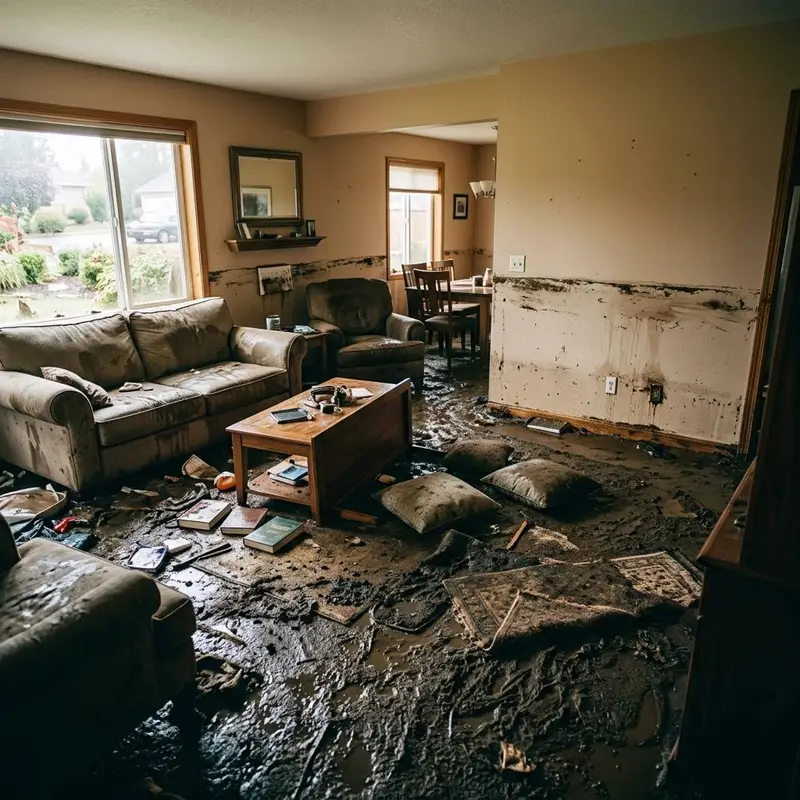
If you discover a leak, the first step is to stop the water source. Then, remove any furniture from the wet area. Do not try to clean the carpet while it is still soaked. Instead, use a wet-dry vacuum or a professional water extraction service to pull out as much moisture as possible. The faster you dry the carpet, the less chance mold has to take hold.
After extraction, set up fans and a dehumidifier to speed up the drying process. Keep the air moving and the humidity low. If the weather allows, open windows to let in fresh air. But remember, carpet drying is not just about the surface. The padding underneath can stay wet for days, especially if the carpet is thick or the subfloor is uneven. Use a moisture meter to check the padding and subfloor before you decide the area is dry.
When to Call a Professional
Not every leak requires professional help. If the water was clean, the carpet was dried within 24 to 48 hours, and there is no visible mold, you might be in the clear. But if you notice a musty smell, visible discoloration, or if the leak involved sewage or flood water, it is time to call in experts. Professional inspection can identify hidden mold growth and assess the extent of the damage.
Mold remediation specialists use tools like HEPA vacuums and air scrubbers to remove spores from the air and surfaces. They can also apply antimicrobial treatment to prevent regrowth. In severe cases, they may need to remove the carpet and padding entirely and treat the subfloor with a sealant to lock in any remaining spores. This is not a DIY job. Improper cleanup can actually spread spores to other parts of the house.
Dealing with Insurance
If you have homeowners or renters insurance, your policy may cover mold remediation after a sudden leak, but not always. Many policies have limits on mold coverage, and some exclude it entirely. Document everything. Take photos of the leak, the wet carpet, and any visible mold. Keep receipts for any equipment you rent, like a dehumidifier or air scrubber. If you hire a professional, get a written estimate and a report of their findings.
Filing an insurance claim for carpet mold after leak damage can be tricky. Insurers often argue that mold was pre-existing or that the homeowner failed to act quickly enough. That is why leak detection and prompt drying are so important. The sooner you address the moisture, the stronger your claim will be. Some policies also require you to show that you took reasonable steps to prevent mold growth, which means documenting your drying efforts.
Cleaning vs. Replacement
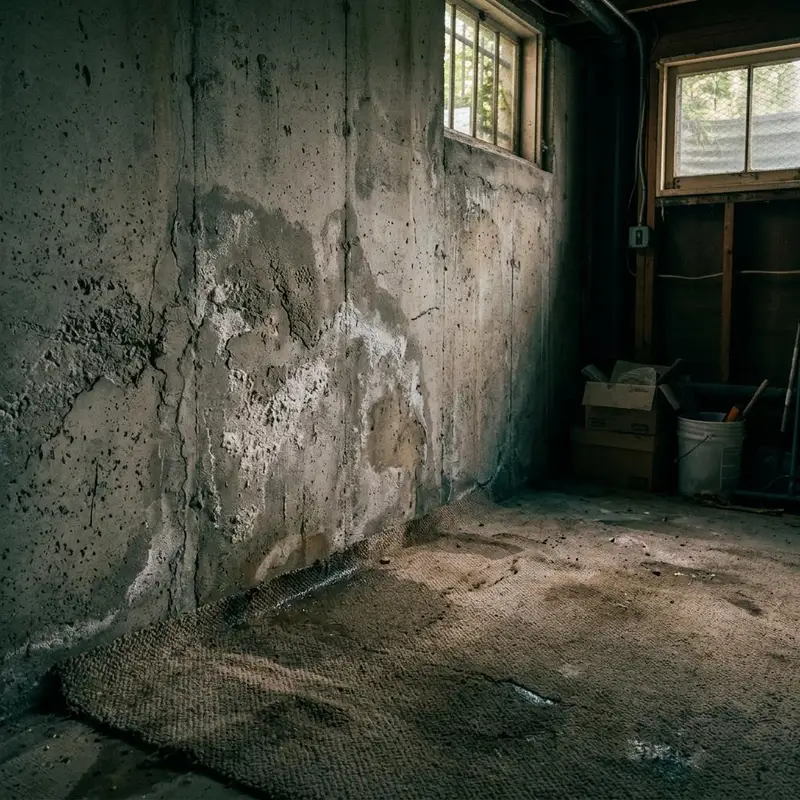
One of the toughest decisions after a leak is whether to clean the carpet or replace it. If the carpet is less than a few years old and the leak was small and clean, professional cleaning might save it. But if the carpet has been wet for more than 48 hours, or if mold has started to grow, replacement is usually the safer choice. Mold can penetrate deep into the carpet fibers and padding, and no amount of cleaning can guarantee it is completely gone.
When you do replace the carpet, consider using a mold-resistant padding and a sealant on the subfloor. This adds a layer of protection against future leaks. If the room is prone to moisture, like a basement or a bathroom, you might want to switch to tile or vinyl flooring. But if you prefer the feel of carpet, at least choose a low-pile option that dries faster and traps less moisture.
Long-Term Prevention
Once the immediate crisis is over, think about prevention. Fix any plumbing issues that caused the leak. Check your roof and gutters regularly. If you live in a humid climate, run a dehumidifier during the summer months. Consider installing a leak detection system that alerts you to small leaks before they become big problems.
Keep an eye on indoor air quality, especially after any water event. If you notice a musty smell or see visible mold, do not ignore it. Mold can spread quickly, and what starts as a small patch can turn into a full-blown infestation. Regular vacuuming with a HEPA vacuum can help reduce spores, but it will not stop mold from growing if moisture is present.
When Mold Is Already There
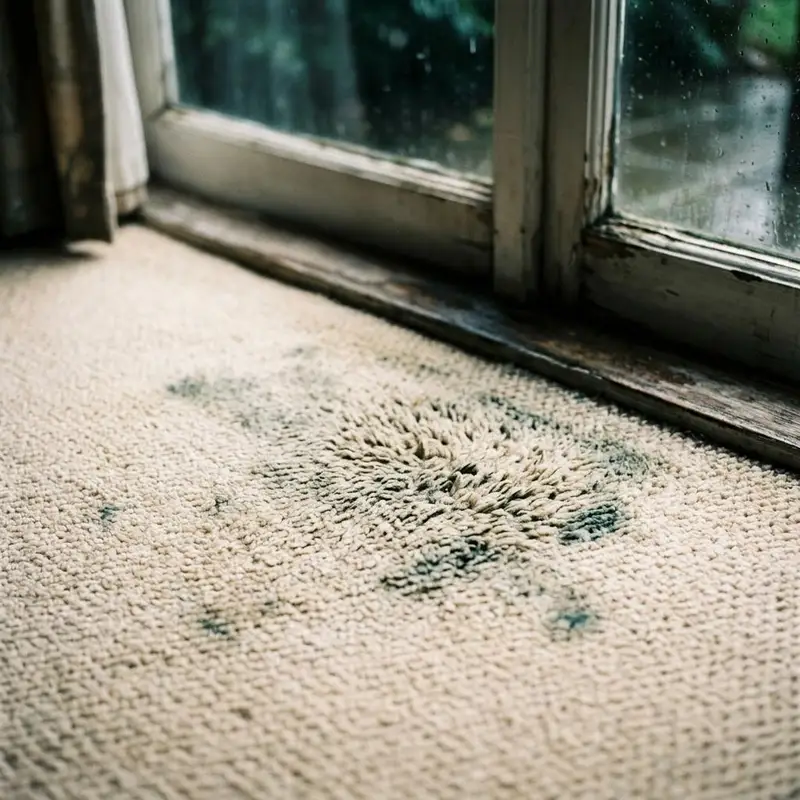
If you discover carpet mold after leak damage that has been sitting for a while, do not panic. The first step is to isolate the area. Close doors and windows to prevent spores from spreading to other rooms. Wear a mask and gloves if you need to go near the area. Then, call a professional. Trying to clean large mold patches yourself can release spores into the air, making the problem worse.
A professional will likely use an air scrubber to filter the air during the cleanup process. They may also apply an antimicrobial treatment to the subfloor and surrounding walls. In some cases, they will need to remove the carpet and padding and treat the subfloor with a sealant to prevent future growth. The goal is not just to remove the visible mold, but to address the underlying moisture issue and prevent it from coming back.
Final Thoughts
Dealing with a water leak is stressful enough without having to worry about mold. But with quick action and the right approach, you can minimize the damage and keep your home safe. Remember, the key is to dry everything as fast as possible and to call in professionals when the situation is beyond your control. Carpet mold after leak problems are common, but they are also preventable and treatable if you know what to do.
Stay proactive about leak detection and moisture control. Your lungs, your home, and your wallet will thank you.